
Why inspect from the inside
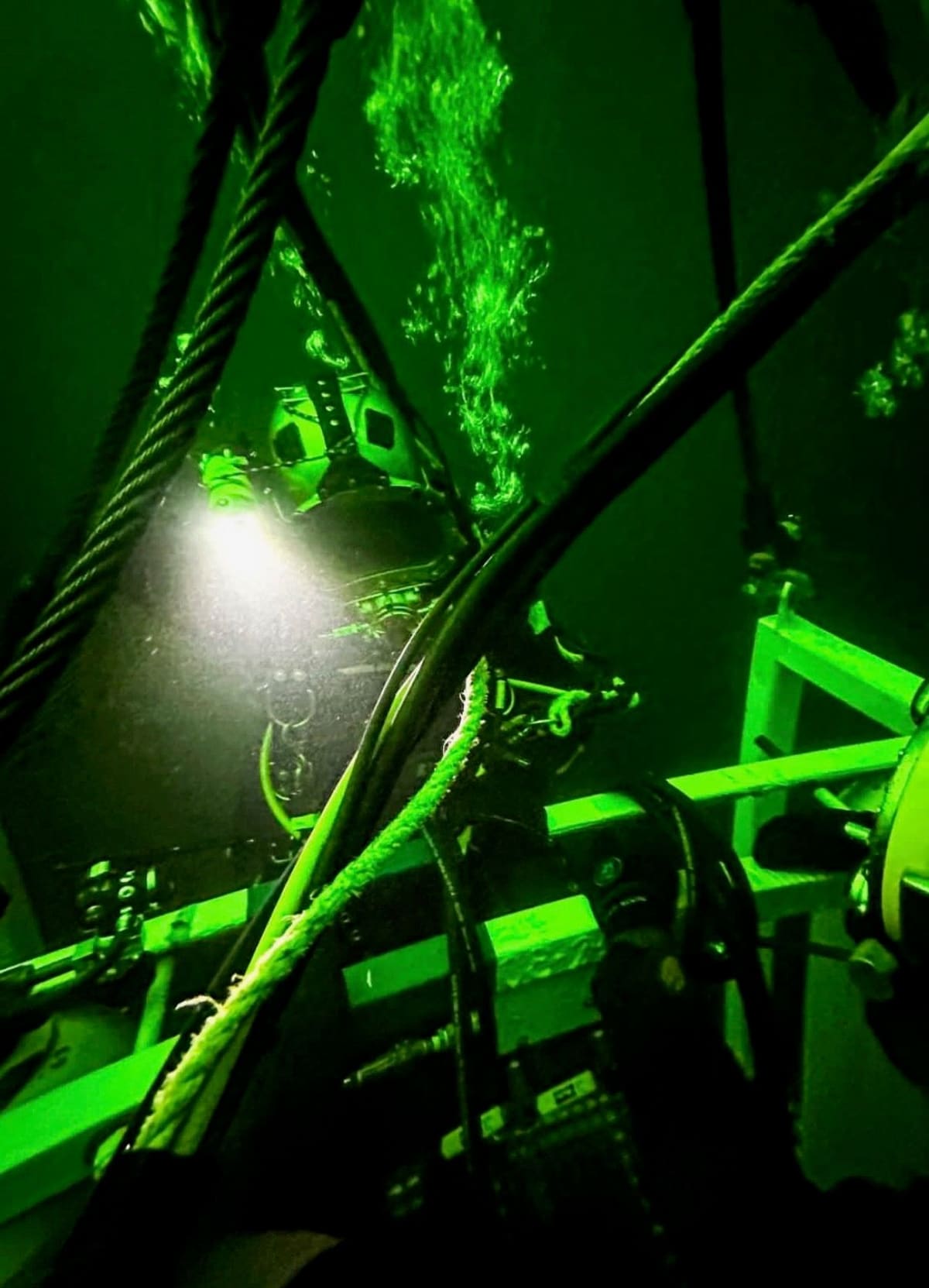
A tank can look fine from the ground while the coating fails, the floor corrodes under sediment, or a vent screen goes missing. A diver puts a camera on every surface, including the floor and lower walls that drained inspections often skip.
The tank stays in service, so an inspection is one day on site with no water lost. That makes a regular cycle practical.
What we inspect
- Floor and sediment depth
- Walls and coating condition
- Roof and supports
- Welds and seams
- Ladders, hatches, and gaskets
- Vents and screens
- Inlets, outlets, and overflow
- Cathodic protection
Practices follow AWWA D101 and Manual M42. Concrete reservoirs are checked for cracking, spalling, exposed rebar, and infiltration.
What you receive
- Narrated HD video of the dive
- Photo log of every finding
- Written report with prioritized recommendations
- Sediment depth and before/after photos
Findings are prioritized: what needs attention now, what to budget, what to watch. Formatted for a sanitary survey file or a board packet.
Sanitary surveys and planning
Utah requires a sanitary survey every three years (R309-100), and storage tanks fall under R309-545. A current interior inspection gives the surveyor documentation and gives your engineer real data for recoating or replacement decisions.
Repairs on the same dive
If the inspection turns up loose hardware, a damaged vent screen, a failed gasket, or a coating defect, our divers can often repair it underwater on the same visit. See the full list of underwater repair and coating services.
Combine with cleaning
Most inspections are paired with sediment removal so the floor and welds are visible. One visit, both done.